Our Services

Our Training Courses

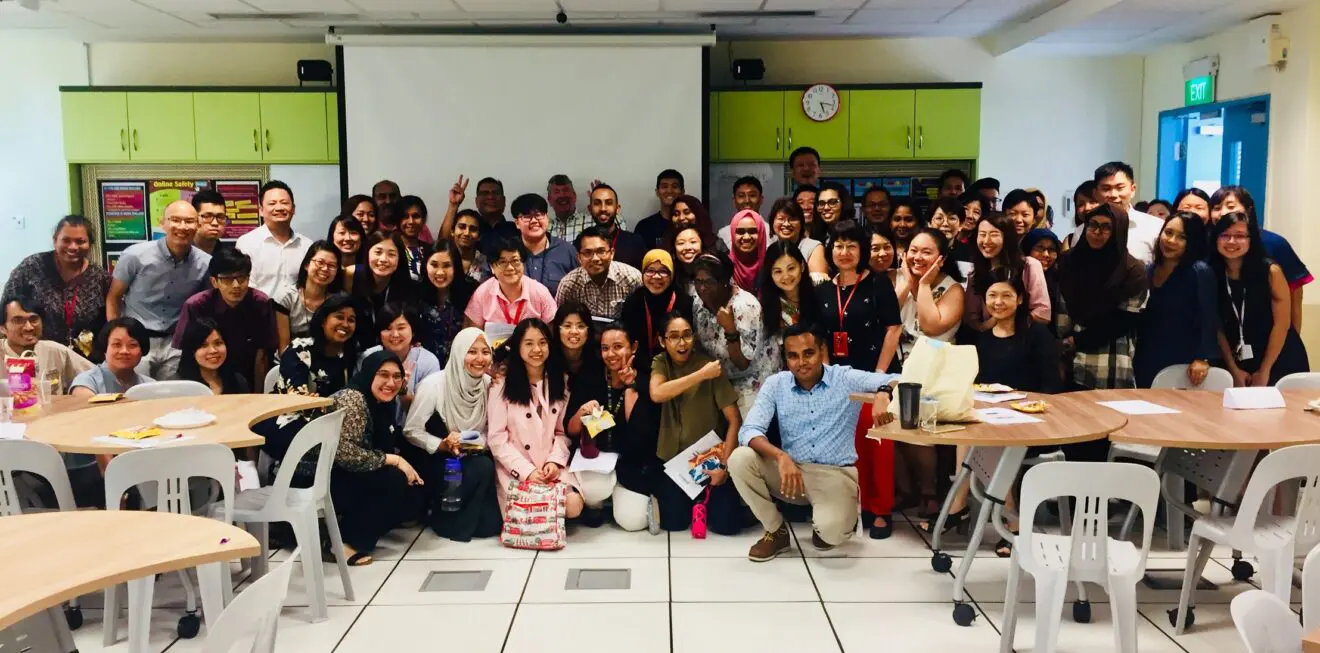
Give us 1, 2 or 3 days and we’ll change the way you see the world.

Our Speaking Engagements

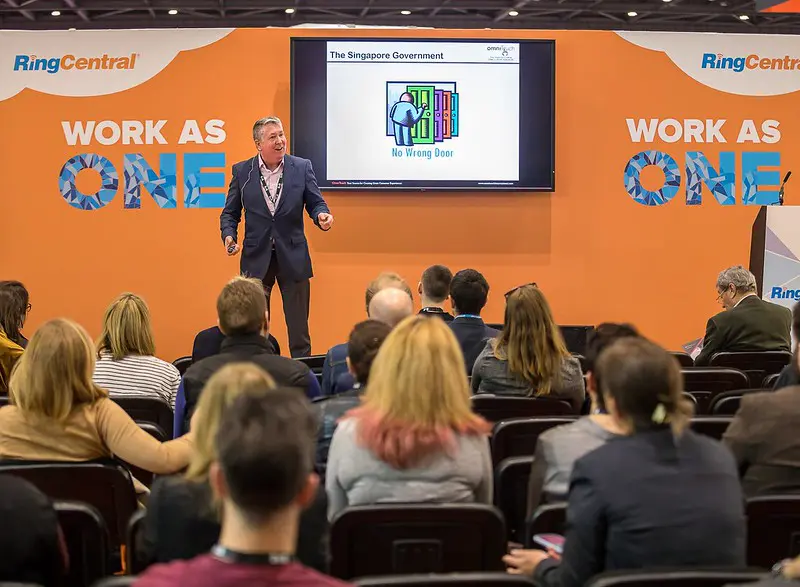
Want an experienced, enthusiastic Speaker? We bring our personality & industry expertise to your Event.

Our Mystery Shopper Research

Ready to elevate your Customer Experience through research?  Our Mystery Shopper & Contact Audit expertise can help.

Our Services

Our Training Courses

Give us 1, 2 or 3 days and we’ll change the way you see the world.

Our Speaking Engagements

Want an experienced, enthusiastic Speaker? We bring our personality & industry expertise to your Event.

Our Mystery Shopper Research

Ready to elevate your Customer Experience through research?  Our Mystery Shopper & Contact Audit expertise can help.

Management Courses

Our Management Training helps leaders see their work, their teams, and their leadership in a new light.

Below you’ll find our Management Training courses, along with summary descriptions.

Public course dates, overviews, and testimonials for selected programs are available in our Public Course Calendar.

For enquiries on private training just drop us a line: [email protected]

Contact Center Management Fundamentals helps leaders understand the mathematics, metrics, and operational interdependencies that drive Contact Center performance.

Participants explore Service Level, wait-time metrics, forecasting, staffing, capacity, KPIs, real-time management, and the operational principles that influence cost, productivity, and Customer Experience.

The course connects these elements so leaders can see the Contact Center as an integrated ecosystem — and understand how decisions in one area affect performance elsewhere.

Designed for Managers and support professionals responsible for Contact Center performance, this program provides the structure and practical knowledge to make confident, data-informed operational decisions.

Global Clients have used this program as a foundation for Contact Center operations across their worldwide networks, while regional and national organizations across the private and public sectors have used it to strengthen their management capability.

How to Design a Quality Assurance Program helps leaders and Quality professionals build a structured Quality Assurance framework designed to measure Quality well and measurably improve it over time.

Participants work through the complete QA cycle — defining a Service Delivery Vision, selecting and documenting Performance Standards, designing Quality Forms, and establishing monitoring and calibration practices — along with a deep dive into coaching practices.

Effective Quality Management requires more than forms, scores, and measurement.

Participants learn the judgment and prioritization skills needed to interpret what they observe, establish a coaching plan, provide useful feedback, and help people improve their performance.

The course also explores where Quality Assurance and Customer Experience connect, how the roles of Quality professionals and Team Leaders should work together, and how to avoid common practices that can turn Quality into an exercise in keeping score rather than improving performance.

Grounded in our own Mystery Shopper research methodology and more than 25 years of practical experience, the program includes real-world examples, templates, and tools participants can apply to strengthen their own Quality Assurance programs.

Leadership & People Management helps new and experienced Managers understand how their own behaviour shapes performance, trust, engagement, and everyday experience of work.

Participants explore what good performance actually looks like — across Productivity, Quality, and Attitudes — and how Managers can achieve the performance outcomes they want by focusing on the knowledge, skills, attitudes, and abilities their people need to succeed.

The course examines leadership as the ability to influence how people think, feel, and perform in pursuit of a shared goal.

Participants explore how trust is built through Empathy, Logic, and Authenticity, and how effective Managers combine High Standards with High Devotion — expecting strong performance while remaining genuinely committed to helping people succeed.

We also examine Employee Engagement through the lens of discretionary effort.

Managers cannot demand engagement, but they have significant influence over the conditions in which people choose to contribute, learn, speak up, and give more than the minimum required.

Managers also explore their role in shaping workplace culture and leading people through change.

A major focus is placed on the conversations Managers hold every day.
Participants learn to distinguish evaluative feedback from improvement-oriented feedback, recognize and reinforce good performance, address performance gaps with specificity, and use judgment to determine the right development conversation.

The goal is not simply to become better at managing people. It is to help people perform and grow — and succeed in the Manager’s absence, not just their presence.

Our Customer Experience Management & CCXP Exam Preparation course helps professionals understand Customer Experience as a strategic business discipline — with the structure, language, and practical frameworks needed to manage CX across an organization.

The 20-hour program develops capability across the five internationally recognized CCXP competency areas: Customer Experience Strategy, Customer Insights & Understanding, Design, Implementation & Innovation, Metrics, Measurement & ROI, and Culture & Accountability.

Participants explore how these disciplines work together in real organizations — from defining CX strategy and understanding Customers through research to designing experiences, measuring outcomes, building Customer-centric culture and establishing the governance and accountability needed to make CX sustainable.

The program moves well beyond individual Customer Service interactions to examine Customer lifecycles, journeys, and touchpoints, Voice of Customer, Customer research, Experience Design, CX measurement, organizational culture, and governance.

The curriculum is aligned with the internationally recognized CCXP competency framework and provides structured preparation for professionals who choose to pursue CCXP certification.

CCXP candidates also receive a post-course one-on-one coaching session, and everyone receives a significant collection of supporting resources after the workshop.

Designed for current and future CX professionals, Customer Insights professionals, transformation leaders, and business leaders with responsibility for Customer Experience, this is not a frontline Customer Service skills course.

It is designed for professionals ready to explore Customer Experience at an organizational and strategic level.

We’re proud that nearly every participant from this program who chose to sit the CCXP examination passed.

Team Leader Courses

Most people step into the Team Leader role because they excelled on the frontline — then discover the job requires a whole new set of knowledge and skills.

These courses apply equally to new and experienced Team Leaders because tenure doesn’t guarantee mastery, and relying on on-the-job learning alone can leave important skills underdeveloped.

Our Team Leader Series includes four separate one-day courses covering the key areas of Team Leader capability.

Each course can be taken individually, in any order, or together as an integrated development journey.

Public course dates, overviews, and testimonials for selected programs are available in our Public Course Calendar.

For enquiries about private training, just drop us a line: [email protected]

Operations Management for Team Leaders helps new and experienced Team Leaders understand how Contact Centers really work — including the metrics, operational dynamics, and relationships that drive performance.

Participants explore Service Level and Response Time, Customer wait-time metrics, and the Metrics Classification System, learning not simply what individual metrics mean, but how they connect and what Team Leaders can actually influence.

The course examines how operational decisions and trade-offs affect Customers, Employees, and organizational performance, helping Team Leaders interpret what is happening in their Center and make better day-to-day decisions.

Participants also learn essential Contact Center principles including the Pooling Principle, the Power of One, and the Law of Diminishing Returns — practical concepts that explain why Contact Centers behave the way they do and why seemingly small actions can have significant operational consequences.

The program provides a structured and practical foundation for developing stronger operational judgment and confidence in managing Contact Center performance — and helping their people understand how their own actions contribute to better outcomes.

Quality Management & Coaching for Team Leaders helps Team Leaders understand how Quality is defined, measured, and improved — and how their own judgment and coaching directly influence Frontline performance.

Participants begin with the Service Delivery Vision and Performance Standards that define what good service should look and feel like. They then explore Quality Forms, monitoring practices, different listening lenses, and calibration approaches that support fair and consistent evaluation.

The course also examines the respective roles of Quality Assurance and Team Leaders, where Quality overlaps with Customer Experience, and how to combine evaluative feedback with improvement-oriented feedback so that measurement leads to meaningful performance improvement.

A major focus is coaching.

Participants learn our practical 7-Step Coaching Process and how to conduct coaching conversations that build trust, strengthen capability, and help their people perform better.

Designed for Team Leaders and Quality professionals who support Frontline performance, the program provides a structured approach to using Quality as a tool for improvement — not simply an exercise in scoring interactions.

Leadership & People Management for Team Leaders helps Team Leaders understand the full scope of their role and how their leadership behaviour influences trust, engagement, and performance.

Participants explore what good performance looks like across Productivity, Quality, and Attitudes, and how the knowledge, skills, attitudes, and abilities of their people contribute to those outcomes.

They learn to move beyond reactive supervision and become more intentional about where they invest their time and attention.

The course examines how Team Leaders build trust and credibility, including the role of Empathy, Logic, and Authenticity, and how effective leaders balance High Standards with High Devotion — expecting strong performance while remaining committed to helping their people succeed.

Participants also explore Employee Engagement through the lens of discretionary effort, and the conditions leaders can create that encourage people to contribute, develop, and perform at their best.

A major focus is placed on the conversations Team Leaders have with their people — including meaningful praise and constructive advice that recognize good performance, address performance gaps, and help people grow.

Designed for new and experienced Team Leaders, the program provides practical frameworks for becoming a more intentional people leader — and multiplying performance through others rather than simply delivering results themselves.

Customer Experience Management for Team Leaders helps Team Leaders understand what Customer Experience really is, why it matters, and how their work contributes to the experience Customers have.

Participants explore CX architecture — lifecycles, journeys, expectations, and touchpoints — and learn how Customer Service fits within the broader Customer Experience.

This helps Team Leaders understand where their Contact Center or Service Team fits into the Customer lifecycle and what they can influence.

The course examines how organizations listen to and learn from Customers, including the role of Voice of Customer programs, quantitative and qualitative research, and Journey Mapping.

Participants also explore how Customer perceptions develop and how CX metrics help organizations understand what Customers think, feel, and do.

A major focus is placed on the Team Leader as a translator of CX strategy into everyday practice.

Participants explore practical ways to build Customer-centric culture through leadership behaviour, coaching, rituals, storytelling, training, and the expectations they reinforce with their teams.

Designed for Team Leaders in Contact Center and Customer Service environments, the program gives participants the knowledge and confidence to explain CX to others, connect it to their team’s work, and help bring their organization’s CX ambitions to life.

Frontline Professional Courses

We value Frontline Team Members for the essential work they do every day. Our courses provide a safe, structured environment where people can reflect, practice, and build new skills.

Our Frontline courses cover Customer Communication Skills across channels, Difficult Situations & Stress Management, Sales Skills, and foundational Contact Center & Customer Service knowledge.

Below you’ll find our Frontline Professional Courses, along with summary descriptions.

Public course dates, overviews, and testimonials for selected programs are available in our Public Course Calendar.

For enquiries about private training, just drop us a line: [email protected]

Customer Communication Skills

Mastering Great Phone Conversations helps Frontline Team Members structure and manage effective Customer conversations from beginning to end — with a focus on sounding natural and human.

Participants work with OmniTouch’s 4-Step Pattern: Greet, Listen, Control and Solve, learning how each stage contributes to the conversation and what behaviours are needed within each stage.

Participants develop skills in tone of voice, listening, meaningful empathy, smart questioning and conversation control, as well as how to present solutions clearly and confidently across a range of different solution types. 

We explore different types of Customer enquiries, including basic enquiries, product and service enquiries, problem solving and situations where follow-up is required. Participants learn how to adapt their approach while maintaining the fundamentals of Respect, Expertise and Solution. 

Throughout the course, participants practice the techniques through exercises, call evaluations and role plays — building the judgement and confidence to apply them in real Customer conversations.

The result is a more structured and professional approach to phone service that helps Frontline Team Members manage conversations confidently, help Customers more effectively and create better Customer experiences.

Connecting with Customers through Email helps people write clear, effective and genuinely Customer-focused emails using a structured approach that can be applied across different types of enquiries.

Participants work with OmniTouch’s 9-Step Email Framework, beginning with one of the most important skills in email communication: correctly interpreting the incoming email before starting to write the response.

They learn how to assess both Tone & Content — understanding what the Customer needs, what matters to them, and how they may be feeling — and then use that understanding to shape an appropriate reply.

The course develops practical email Service Skills, including how to structure information clearly, personalize appropriately, demonstrate empathy, use positive language, manage tone, and write in a way that is professional without sounding scripted or impersonal.

Participants then bring these skills together to respond to different Customer situations, learning how to address both the content of the enquiry and the emotional tone behind it. 

Throughout the course, participants work with practical examples and exercises so that the framework becomes something they can apply confidently in their everyday email communication.

The result is better-written emails that are clearer, more human and more helpful — while giving Frontline Team Members a consistent process they can use every time they write to a Customer.

Mastering Great Live Chat Conversations gives Frontline Team Members the skills, structure, and confidence to deliver efficient, clear, and human conversations through the Live Chat channel.

Participants explore what makes Live Chat different from Phone and Email, including Customer expectations, productivity and quality measures, wait-time management, and the realities of handling multiple chats at the same time.

They learn OmniTouch’s 10 Golden Rules for Live Chat and a practical 4-Step Process — Greet, Listen, Control, Solve — that provides structure while allowing conversations to remain natural and responsive to the Customer.

The course also looks at how to use templates effectively without sounding robotic and how to write in a conversational way.

Participants build practical skills in questioning, clarification, positive word choice, Affirmation Statements, and Human Touch — recognizing what is happening within the organization while also responding appropriately to what is happening in the Customer’s life. 

They also practice handling different types of Live Chat conversations, including basic enquiries, product or service enquiries, problem solving, and situations where the Customer may not be able to get exactly what they want.

By the end of the course, participants are better equipped to balance Productivity and Quality while delivering Live Chat conversations that are efficient, professional, and genuinely helpful.

How to Succeed in Omnichannel Service helps Frontline Team Members build the understanding, mindset, and skills needed to succeed across multiple Customer channels. 

Participants learn what an omnichannel service environment really is, why organizations are moving toward it, and what it means for Customers, Employees, and the organization.

They explore OmniTouch’s 4-Step Pattern — Greet, Listen, Control, Solve — and learn how to adapt it across Phone, Email, Live Chat, Social Media, and Video Chat.

The course covers the Golden Rules and practical skills for each channel, including positive language, empathy, consultative skills, and the different communication demands each channel creates. 

Participants also explore the psychology of switching between channels throughout the day and what they can do to maintain confidence and effectiveness as they move from one channel to another.

By the end of the course, participants know how to deliver consistent, human, high-quality service across channels — while adapting their approach to the unique demands of each one.

Difficult Situations & Stress Management

How to Manage Difficult Customer Situations gives Frontline Team Members the practical skills and confidence to manage difficult Customer conversations more effectively.

Participants also explore how their own thinking influences the way they respond to difficult Customers. They examine how different mindsets can shape their reactions — and how choosing a more constructive response can change the direction of a difficult interaction.

Participants learn to quickly identify whether they’re dealing with an abusive, irritating, or unhappy Customer — because not all difficult situations are the same and knowing which kind of situation you’re in is the first step.

They practice an inbound conversation pattern that includes letting people speak, recognizing emotion, using Human Touch and Humanity, and confirming key details so the Customer feels genuinely heard. 

The course also builds skill across six real-world solution types, including how to clarify without sounding bureaucratic, say no using the UNER(R) method, negotiate fairly, and escalate with confidence.

By the end, participants have developed the mindset, skills, and confidence to interact more effectively with Customers in difficult situations — and guide difficult conversations toward better outcomes.

Understanding and Managing Stress helps participants understand what stress really is, what causes it, and how to manage it more effectively at work and in everyday life.

The course is particularly relevant for Customer Service and Frontline professionals, where managing Customer expectations, difficult interactions, workload, and the emotional demands of service can create their own sources of stress.

Participants explore how the stress response works, including Fight or Flight, and identify the different physical, psychological, social, work, and self-imposed stressors that can affect us.

They also learn why the same stressor can affect different people in very different ways. 

They examine different types of stress, including positive and negative stress, and learn to distinguish between acute and chronic stress. This helps participants understand when short-term coping strategies are useful and when a situation requires a longer-term response.

The course introduces a practical approach to managing stress, including short-term stress relief, identifying what is within our control or influence, and examining how our thought processes affect how we feel and respond.

By the end, participants have a clearer understanding of their own stressors and practical ways to manage their response, make calmer decisions, and build greater resilience.

Sales Skills

Selling Through Service helps Frontline Team Members recognize appropriate sales opportunities and make recommendations in a way that feels natural, relevant, and genuinely helpful.

Participants learn why effective selling begins with belief in the offer and an understanding of its relevance to the Customer.

They practice linking what the Customer already has or needs to an appropriate recommendation, then presenting the benefit clearly and handling price with confidence.

The course also introduces a practical structure for presenting products and services — helping participants explain why the offer matters, how to obtain it, and how the Customer can get the most value from it.

Participants explore the important relationship between Customer Service and sales performance, including why trust and the quality of the original service interaction can significantly influence whether a Customer is receptive to a recommendation.

They also learn how to respond when Customers hesitate or object, using Support Benefits and a structured approach to addressing concerns without becoming pushy or argumentative.

By the end, participants can introduce relevant products and services with greater confidence — creating additional value for the Customer while supporting the organization’s commercial goals.

Consultative Selling for Outbound Calls gives participants the structure, skills, and confidence to conduct outbound sales conversations naturally and professionally — without sounding scripted or pushy.

Participants learn why effective outbound selling begins with service, respect, and genuine interest in the Customer.

They then work through OmniTouch’s practical 5-Step Pattern: Introduction, Opening, Qualification, Presentation, and Closing.

A strong emphasis is placed on Qualification.

Participants learn how to ask questions that establish eligibility, uncover needs and priorities, and help guide the Customer toward an appropriate solution.

They also practice navigating Gatekeepers, opening calls with relevance and value, presenting products and services around Customer needs, recognizing buying signals, and asking for the business with confidence.

The course explores how to manage objections without arguing or applying unnecessary pressure. Participants learn to listen, clarify the Customer’s concern, provide an appropriate response, confirm understanding, and then move naturally back into the conversation.

By the end, participants can conduct outbound sales calls that are structured, consultative, and human — improving their ability to create value for the Customer while achieving stronger sales outcomes.

Contact Center & Customer Service Foundations

Contact Center operations can seem unnecessarily complex from the Frontline perspective.

Why do schedules matter so much? Why can one person being unavailable affect Customer wait times? Why does Service Level suddenly fall when the Center gets busy?

And what actually goes into deciding how many people need to be working at any given time?

Contact Center Operations for Frontline Professionals gives participants a practical understanding of the operational dynamics behind a successful Contact Center and the important role Frontline professionals play.

Participants explore how Contact Centers forecast Customer demand, calculate staffing requirements, organize schedules, and manage Service Level and Response Time.

They learn how Call Volume and Average Handling Time create workload, why random contact arrival matters, and how concepts such as Occupancy, staffing, scheduling, and shrinkage work together.

The course also brings these vital concepts directly back to the Frontline role.

Participants learn why accurate use of system modes matters, why Adherence to Schedule is so important, and how the Power of One demonstrates the operational impact that a single Frontline professional can have on Customer wait times and overall Center performance.

Importantly, the course examines the relationship between Service Level and Quality.

By the end of the course, participants understand not only what happens operationally in a Contact Center, but why it happens — and how their individual actions contribute to Service Level, Quality, Customer Experience, and the performance of the Center as a whole.

For Frontline professionals, the conversation is the product they deliver.

Every Customer interaction is an opportunity to deliver meaningful Quality — and Frontline professionals play the central role in making that happen.

This practical course helps Frontline professionals understand how their organization defines Quality, why service standards matter, and how their own performance brings those standards to life for Customers.

Participants explore Customer expectations, satisfaction and loyalty, and learn how these influence the way organizations define the experience they want to deliver.

They examine how service standards, monitoring, and Quality measures translate those expectations into everyday Frontline performance.

The course also helps participants understand the purpose of monitoring and coaching — including their own role in feedback and performance improvement.

By the end of the course, participants have a clearer understanding of what Quality means for their own role, how it is measured, and how to take greater ownership of the Customer Experience they deliver every day.

Mystery Shopper Research

Mystery Shopper Research, when done well, is a powerful way to understand what your Customers actually experience — and to identify what’s working and what needs improvement.

But effective Mystery Shopper programs do more than generate a score. They uncover practical learning opportunities that can strengthen service quality and improve the Customer Experience.

Our research team works with you to design and implement Mystery Shopper programs aligned with your goals, channels, and operational realities.

We also share insights from more than two decades of global research work — helping you turn observations into practical improvements.

Learn more about how Mystery Shopper programs work in our Mystery Shopper Research Series.

Let’s Discuss Your Needs

Digital Contact Audit

What do your calls, emails, and live chats actually sound like to Customers?

Listening to Customer interactions — and identifying what’s working and what needs improvement — requires both analytical discipline and practical experience.

A Contact Audit provides an objective review of your organization’s Customer conversations. By analyzing calls, emails, and chat transcripts, we identify patterns in communication, service behaviors, and opportunities for improvement.

If you already have recordings or transcripts available, we can assess them and provide clear, practical feedback on what’s working well and where improvements can be made.

The goal is simple: to help you understand how your organization actually sounds to Customers — and how those conversations can be improved.

Let’s Discuss Your Needs

Hosting or Speaking at Your Event

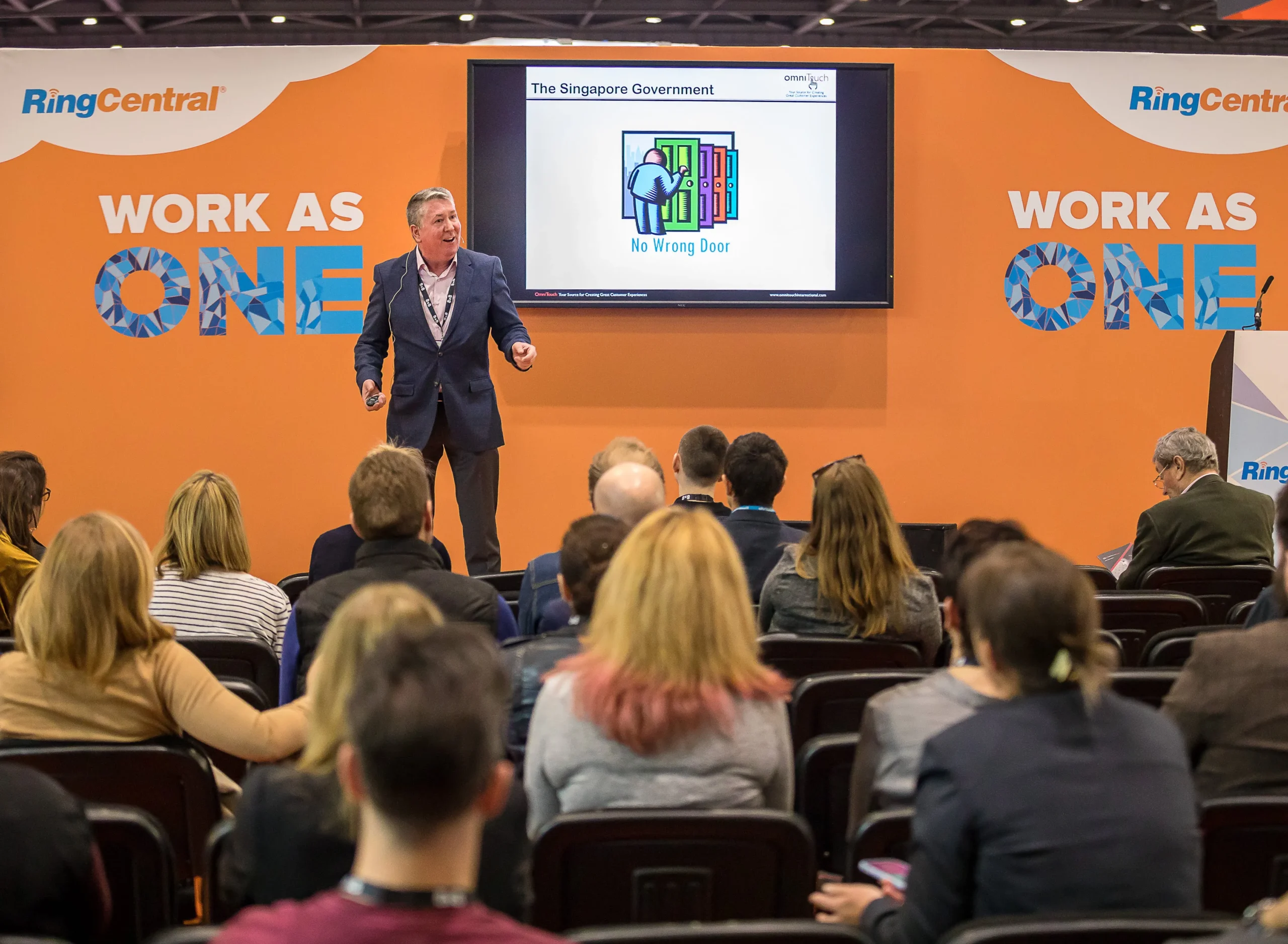
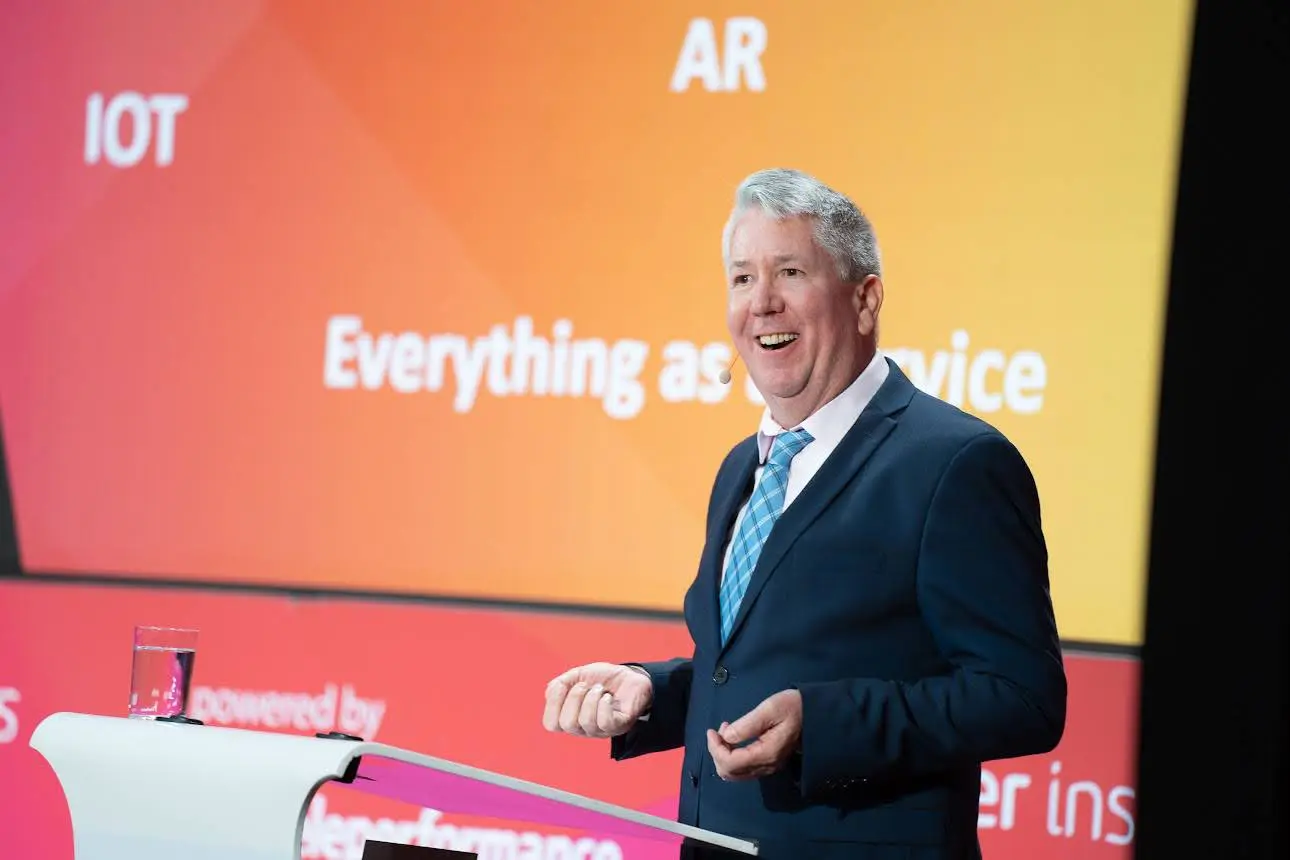
Funny. Insightful. Warm. Knowledgeable. Clients & Participants have a lot to say about our Speaking engagements.

Recent Presentation

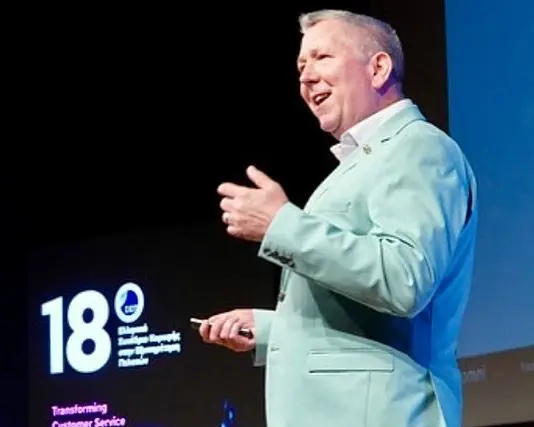
Devotion in the Age of AI
Presented at the Hellenic Institute of Customer Service (Athens, Greece)

As AI helps organizations raise standards, how do we ensure we don’t lose deep devotion to the people we serve? In this presentation, Daniel Ord explores the Standards and Devotion framework developed by Frances Frei and Anne Morriss, sharing lessons from leadership, customer service, and a formative experience from his university years working in a luxury hotel.

Watch a Short Excerpt

Watch the Full Presentation

More Speaking & Presentation Examples

How perceptions, expectations and emotions combine to shape customer experience

Lessons learned from facilitating more than 60 CX Cultural Transformation workshops

Continue Learning

Explore more presentations, interviews and practical Customer Experience insights on the OmniTouch YouTube channel.

Interested in having Daniel speak at your event?

We’ve stood on stages in Manila, Beijing, Athens, Berlin, Melbourne, Phoenix, Budapest, Singapore, Kuala Lumpur, Nicosia, Basel, Miami, London, Wiesbaden, Jakarta and many more cities.

Across dozens of conferences and events, our presentations are consistently rated among the highest by attendees and event organizers.

We combine practical Customer Experience and Contact Center expertise with stories, humor and audience participation to create presentations that are engaging, memorable and immediately useful.

The greatest compliment we receive is being invited back.

  • Human vs AI: Let your CX Vision Lead the Way
  • Three Lessons we learned from Hospitality Clients
  • How to Make your Contact Center better using P, Q & A
  • What Kind of Experience does your Contact Center deliver?
  • Who I am and What I do – because this is where it starts
  • What I learned about CX from Emily in Paris
  • Five Motivational Quotes and what they mean in real life
  • Let’s get inspired – making motivational quotes work at work
  • CX Lessons we can learn from “The Wizard of Oz”
  • The Global Service Index, Benchmark Results for China
  • How to Bring your Brand to Life
  • From Cost to Value Creation for Customer Service
  • Practical Ideas to Inspire your Customer Service Coaching Program
  • A Contact Centre Industry Reset – now’s the time
  • The Epic Battle of Quality Assurance vs. the Team Leader
  • Nine Ways to Improve Agent Performance
  • How to Calculate the Budget for a Contact Center
  • Becoming Irresistible to your Customer
  • Traits of the Best Managed Contact Centers
  • From Zero to Hero, The Team Leader Journey
  • Service by Design, the DNA of Great Service Organizations
  • How to Design an Effective Mystery Shopper Program
  • Tuned In or Tone Deaf? The Sound of Service
  • Lessons from Building a CX Culture Transformation
  • Contact Centre Success in the Age of Customer Experience
  • How to Keep the Great Resignation at Bay