


For seven years, we ran an art gallery in Singapore, applying many of the CX management practices we teach.
This article is part of our Customer Experience Hub — a collection of articles that explore the architecture, practices, and mindset behind great CX.
It’s remarkable how seriously you take CX when it’s your own money on the line. — Daniel Ord
Our Art Gallery


For seven years, we ran an art gallery in Singapore alongside our Customer training and research business.
We represented Artists from around the world, hosted numerous exhibitions, and made some wonderful friends.
I even met Paloma Picasso, who teased me about sucking in my gut for an event photo.
Running a gallery gave us the opportunity to put the CX principles we teach into practice — with our own money at stake.
In this article, I share some stories and lessons.
We Began with Qualitative Research

Before we opened, we used qualitative research to scan the existing marketplace.
Over several months, we visited every gallery in the city to understand how they presented themselves, what they offered, and how they made us feel.
We also engaged appropriately profiled Mystery Shoppers to visit selected galleries and capture what they thought and felt about each visit.
This diary study approach was the same one we used in professional research work with Universal Studios when they engaged us to study guest visits.
After synthesizing our research findings, the words that popped out included ‘pompous’, ‘intimidating’ and ‘cold’.
We saw an opportunity to create a gallery experience built around warmth and storytelling.
Our Product Strategy

We focused on bringing the works of living, mid- to late-career Western artists into Singapore.
These were artists we knew personally and who were based in places like California, Germany, the Netherlands and Australia.
Where Art & People Meet
Based on who we wanted to be as a gallery and what we’d learned from our qualitative research, we came up with our guiding principle: Where Art & People Meet.

That guiding principle inspired our logo, with each link in the chain representing a stakeholder in the art journey.
Red for the Artist, green for the Gallerists, and blue for the Art Lovers.
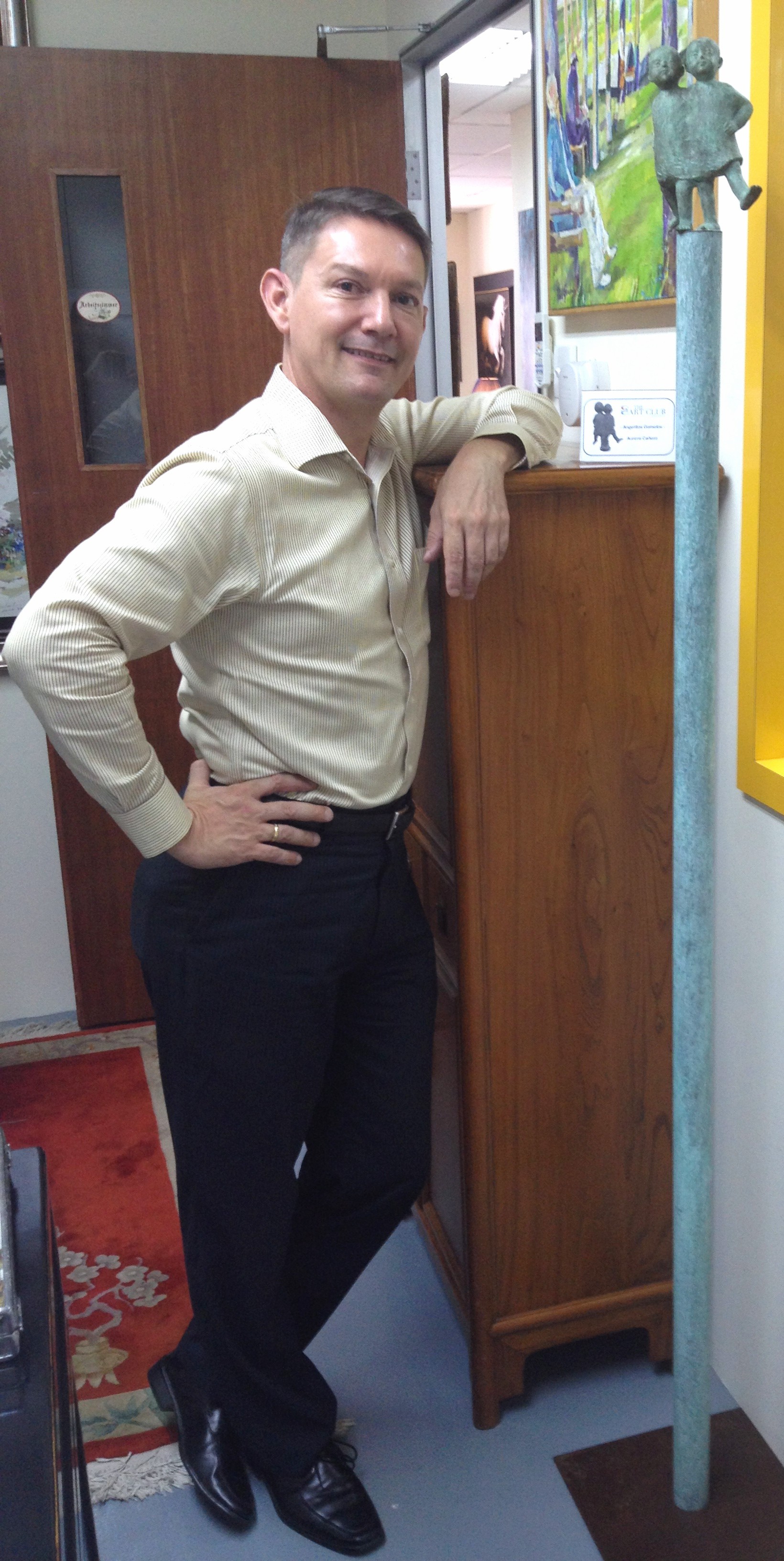
We flew a few of our Artists to Singapore so that they could share their own stories. But that’s not always possible, or even desirable.
Not every Artist is comfortable presenting in front of an audience.
A couple flatly told us that telling the story was our job, not theirs.
So to gather their stories, we travelled and visited the Artists in their homes and studios.
We conducted interviews with them about their work, gathering some touching and occasionally hilarious stories.
“Where Art & People Meet” was more than corporate poetry.
This principle — just like any powerful CX Vision — guided us in our downstream decisions.
Including the launch of our Guest Lecture Series where qualified experts delivered lectures on topics ranging from the history of Chinese porcelain through to how to look at and appreciate a painting.
We learned very quickly that our Guests wanted to their ability to evaluate and understand art in a relaxed setting.
One lecture on Impressionism attracted over 100 Guests, completely packed our cozy shophouse, and resulted in additional sales.
Shaping Customer Expectations
Much of the management work in CX involves meeting or exceeding Customer expectations.
Sometimes there is a mismatch in expectations.
McDonald’s doesn’t offer filet mignon and Louis Vuitton is probably not focused on affordability.
Other times, it may be necessary to ‘shape’ an expectation, especially when there’s not much you can do to change the underlying conditions or circumstances.
Here’s an example of how we managed an important Customer expectation.
We Relocated to the Red Light District
When we first opened the gallery, we were located in a shophouse in Singapore’s Chinatown District.
When our lease ended there, we relocated all our businesses into a 1939 shophouse in the Geylang District.
 Geylang is the home and center of Singapore’s red-light district. So in the clean and green metropolis of Singapore, the area was something of an outlier.
While still clean and connected (Singapore isn’t that big), Geylang has a long and colorful history as a place of ‘loose morals’ and prostitution.
Historically, each of the small lanes or ‘lorongs’ that crisscross the area was known to cater to a particular adult proclivity.
You just had to know which number lorong went with which proclivity.
I’ll let you use your imagination here.
We learned to love the area and found it refreshingly real. But many of our gallery Guests told us they had never visited or spent time in Geylang.
It just wasn’t a place where people went.
One regular Guest, who worked in the public sector, brought her elderly mother along to one of our events.
She told us that she had to do a lot of convincing to get her mother to come with her to Geylang, because her mother had grown up thinking of Geylang as a seedy no-go zone.
We Leaned into the History of our Neighborhood
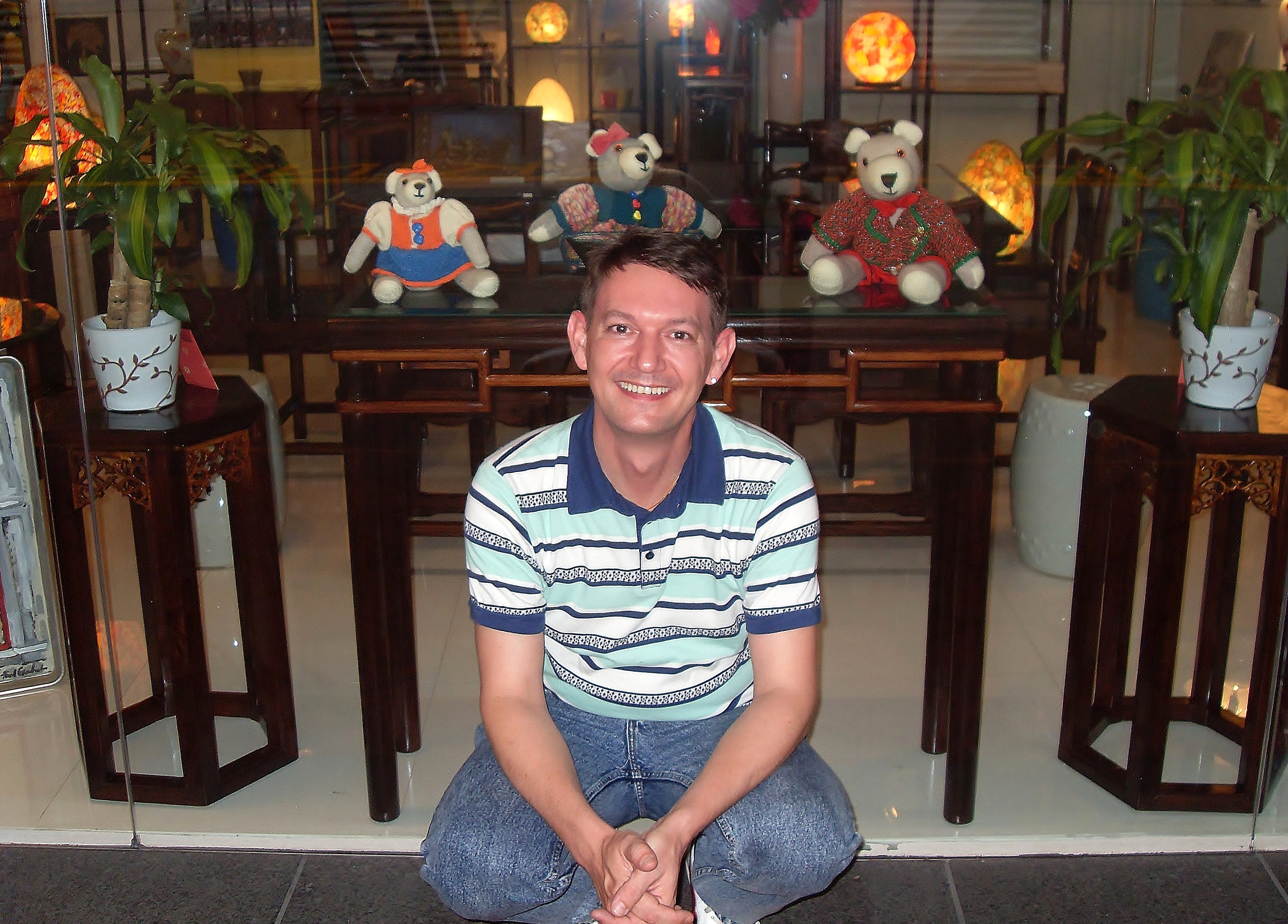
Rather than apologize for being in Geylang, we decided to lean into its history.
So in our marketing communications, we’d highlight the colorful history of the area — to the point of being titillating.
We’d include photos and suggestions on what folks could do either before or after visiting us.
Did we convince everyone?
No.
But in the gallery business — like our training business — having repeat Guests at events really mattered for business success.
Personas & Jobs to Be Done
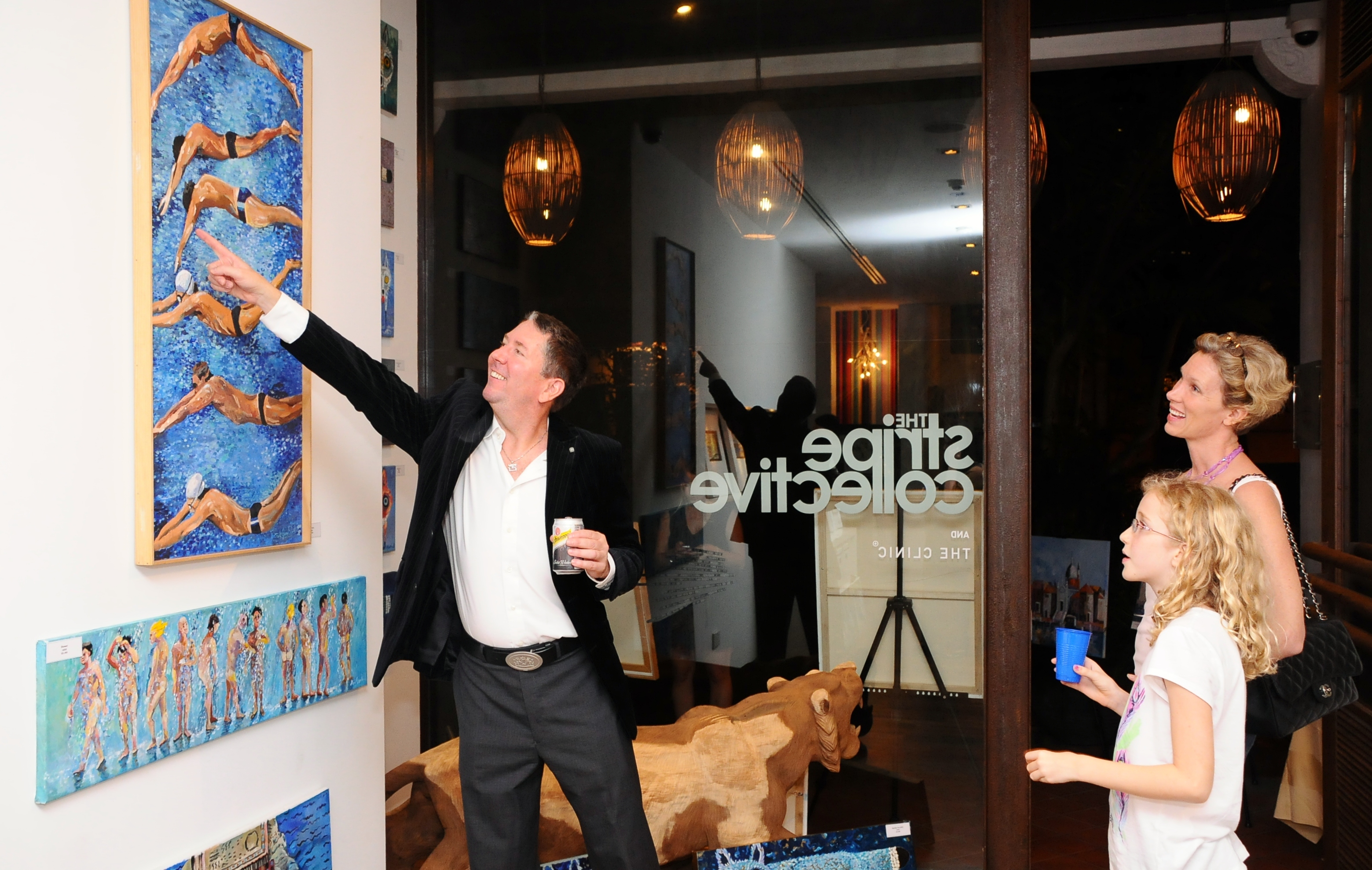 Without being needlessly controversial, no one needs art.
It doesn’t solve an obvious problem.
It’s not a mobile plan, a hotel room or an insurance policy.
So we focused less on functional needs and more on the social and emotional dimensions of the Job to Be Done for our Guests.
As we defined our ideal Customer, we also had to decide who was not our ideal Customer.
In the art world, some people speculate in art and want a guarantee that a particular work will increase in value by $X over Y years.
This wasn’t our ideal Customer.
And given our relatively modest price points, the speculation conversation didn’t make much sense anyway.
Guest Personas Surfaced
Within six months of launch, a few Guest Personas began to surface — groups of Guests who exhibited clearly different needs and behaviours.
Here are two of those Personas and a brief overview of their profiles:
Date Nighters
We noticed quite a few younger couples attending the gallery receptions. Many were university students looking for a nice (and affordable) evening out.
In addition to the local colors and flavors that came with being based in Geylang, we always served lovely German wines and snacks, and worked to make everyone feel welcome.
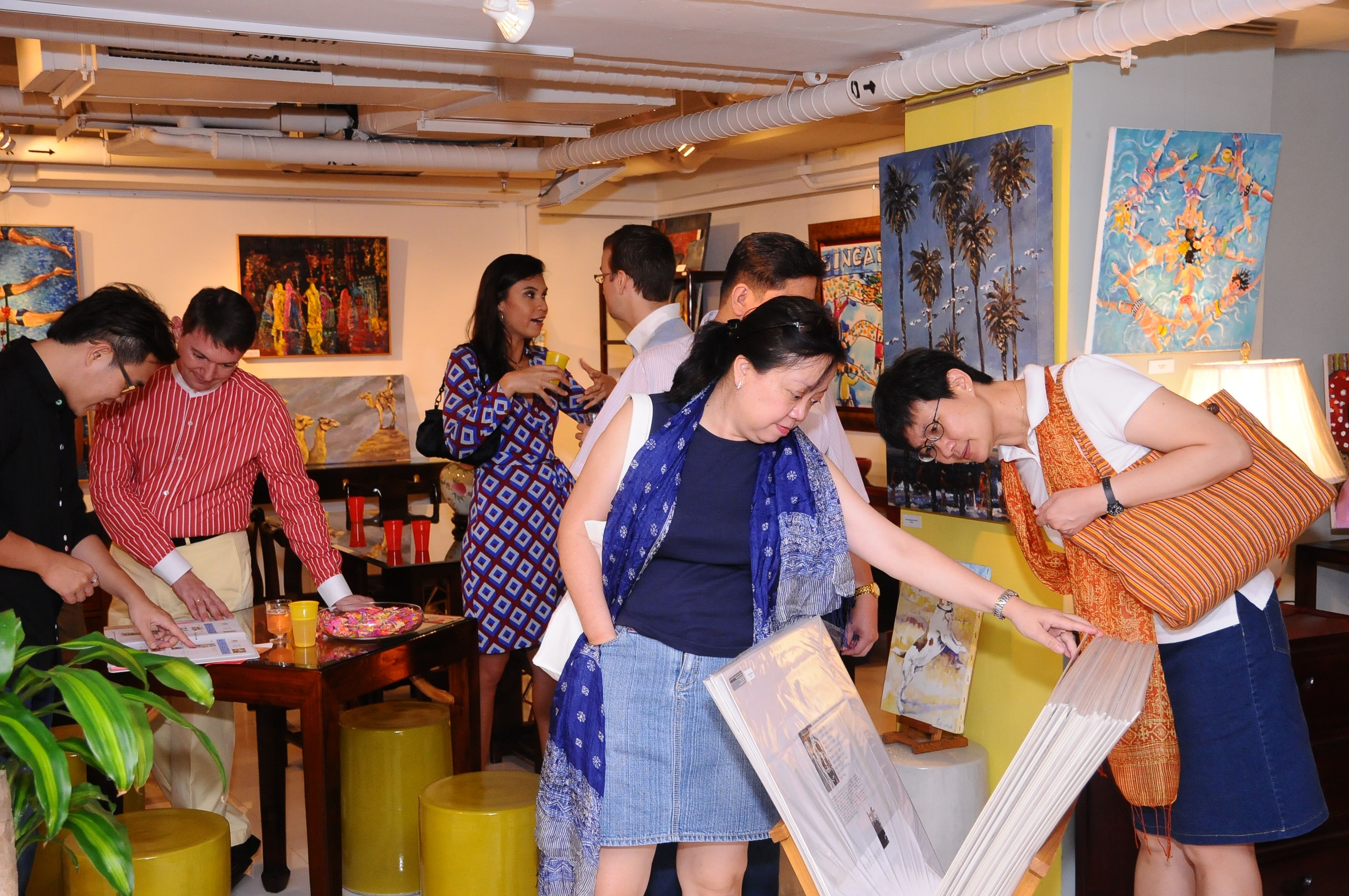 I don’t think we sold a single piece of art to any Date Nighters.
But with that said, we loved having them.
They asked so many interesting questions and helped us elevate our storytelling skills.
Not to mention that the Date Nighters of today become the working adults and married couples of tomorrow.
Sophisticated Expatriates
This persona represented a significant proportion of the Guests at our events and accounted for most of our sales.
Usually from Europe, Australia and the U.S., these folks had grown up appreciating art and were used to choosing artwork for their homes and offices.
They tended to trust their own taste, though storytelling and understanding the Artist’s motivations mattered to them.
Unsolicited Feedback

When we teach Customer Research, I like to say that a house has many windows. The more windows, the more light.
That light illuminates what your Customers need and want. Unsolicited feedback is one of those windows.
As you’d expect, there are many opinions and feelings about a piece of art.
Here are some examples of the ongoing stream of unsolicited feedback we received:
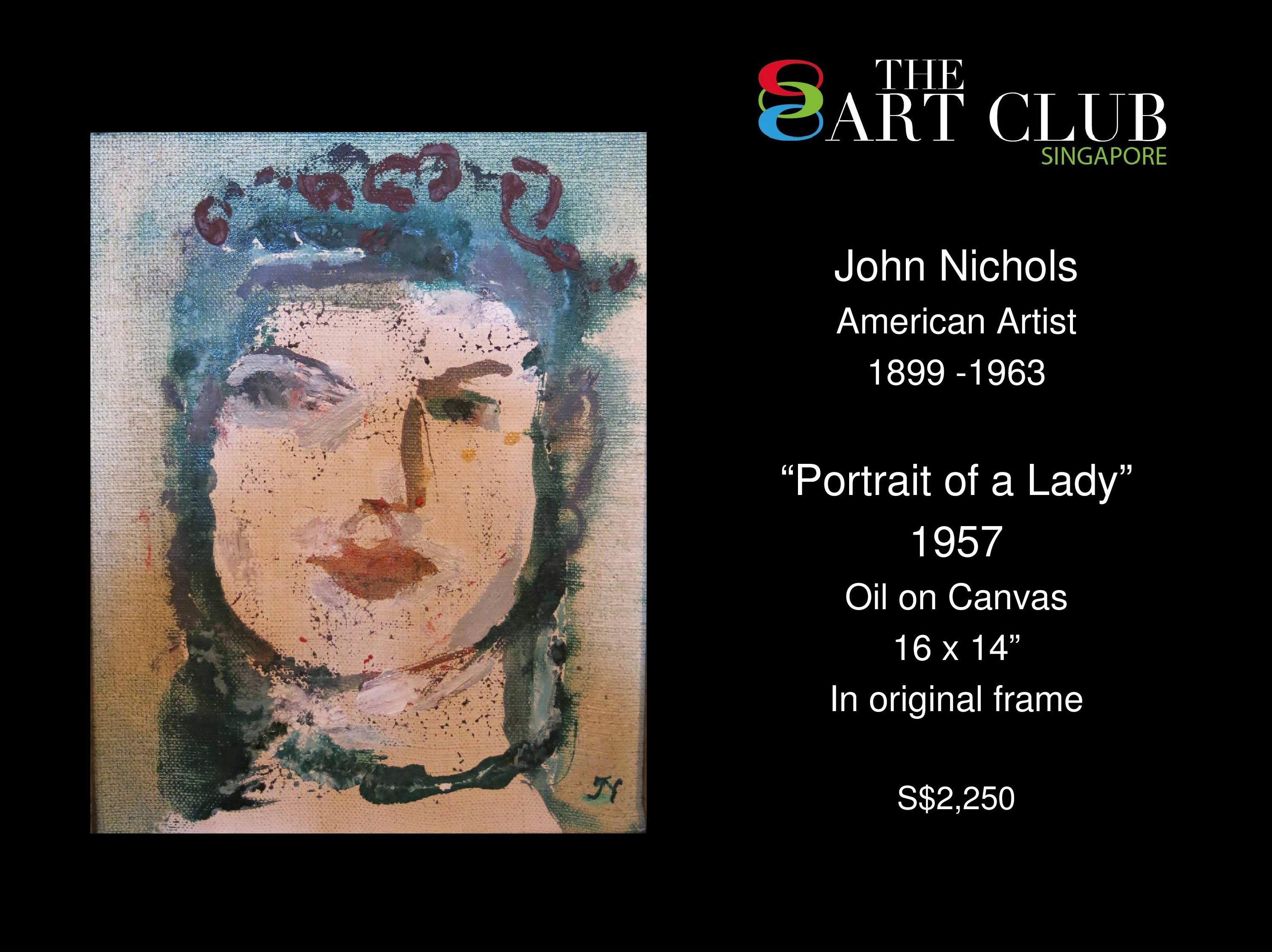
I don’t like paintings with faces in them.
We never really did anything specific about that piece of feedback, but we honored the Guest that shared it and captured it in our CRM.
You guys are in Asia, you should offer more Asian art.
This feedback represented a mismatch between the Customer’s expectation and the product range we chose to offer. There were already plenty of excellent Asian galleries to be found, staffed by curators and experts in the field.
Choices are at the heart of business strategy.
We knew we couldn’t be successful trying to be all things to all people. And frankly, we wouldn’t have found that approach particularly inspiring either.
Because we had a point of view we wanted to share.
Have you guys thought about providing estate sale items?
Hmmmm. Actually, we hadn’t.
That suggestion came from a Countess who had a fabulous collection of fine Latin American art and collectibles.
With her behind-the-scenes guidance and after some testing, we opened an Estate Sale division to sell fine collectibles.
The estate pieces, ranging from Victorian cigar boxes to ancient marbles, made the gallery more beautiful, and piqued people’s interest.
In fact, it became our most successful line of business.
CX Practices Helped Us Make Better Business Decisions
Our Customer Service skills helped us build relationships with people, whether Artists, Business Partners, or Guests.
Applying CX practices helped us make better business decisions about where to hold firm, where to adapt, and where to explore something new (thank you, Estate Sales!).
And believe me, when it’s your own money at stake, you’ll work backwards from the desired financial outcome to the Guest behaviors and experiences that help achieve it.
Thank You for Reading
I regularly share stories, strategies, and insights from our work across Contact Centers, Customer Service, and Customer Experience. If this resonates, I’d love to stay connected.
You can drop me a line anytime, or subscribe on our site.
Daniel Ord
[email protected]
www.omnitouchinternational.com
 Speaking about the Austrian artist Gustav Klimt at Marina Bay Sands, Singapore.