


At the heart of service and leadership lies something deeply human.
In this article, I reflect on something timeless — why manners will always matter.
This article is part of our Being Human Series — stories and insights on values, self-awareness, judgment, relationships, and how we are experienced by others.
The Definition of Manners
The etiquette columnist, Emily Post has this definition:
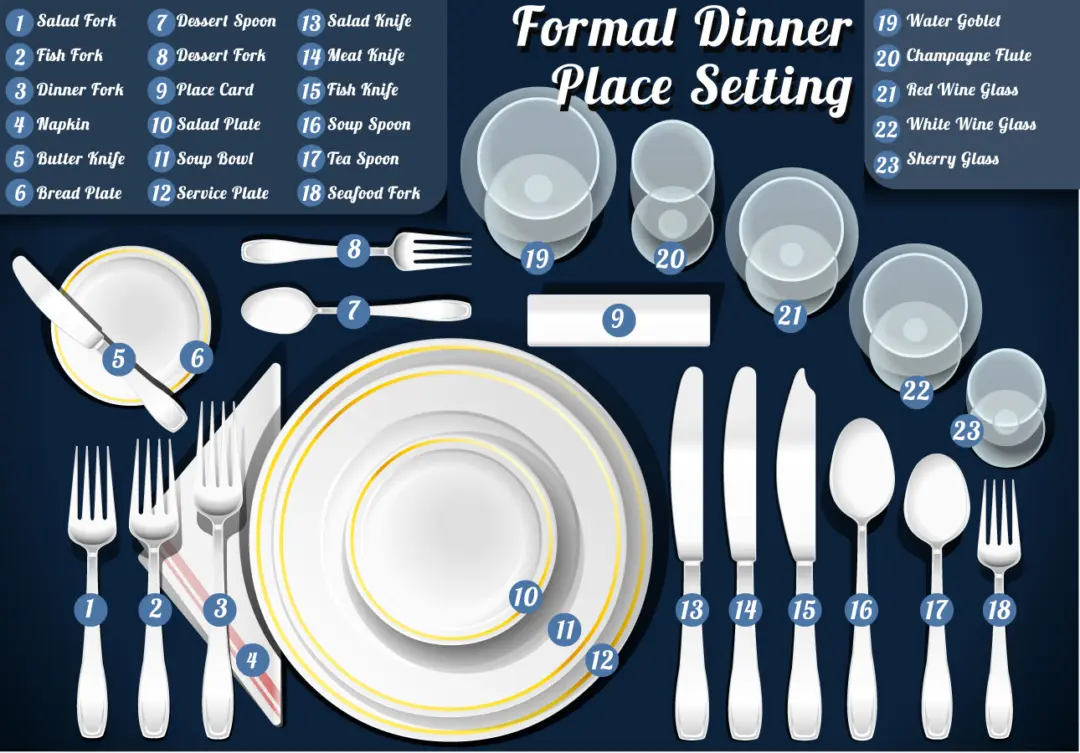
Manners are the sensitive awareness of the feelings of others. If you have that awareness, you have good manners, no matter what fork you use. — Emily Post
I love this definition because it nails empathy and care. Manners aren’t about knowing which fork to use — they’re about choosing to notice and respect the feelings of others.
When I teach Customer Service, I often use the phrase “as your best self.” And when people ask what that means, I point back to Emily’s definition: your best self is the version of you that considers the feelings of someone else.
At a basic level, having manners means being willing to inconvenience yourself for the sake of another person.
It looks like:
- Holding the lift door open for a latecomer rushing to work
- Letting someone else in the buffet line take the last piece of sushi
- Allowing a shopper with only a few items to go ahead of you in the grocery store
- Saying “thank you” and “well done” more often
- Paying full attention to someone even when you’re tired and ready to go home
That’s where manners live — in the small, human choices that put someone else first.
Manners Aren’t Something You Trot Out to ‘Wow’ the Guests

Growing up in a military family, my parents reminded us to bring out our best manners when an Admiral came to dinner or when my father hosted an important delegation.
But they never said, “Bring out your manners tonight.” That would have implied manners were something to put on or take off like a uniform.
Instead, we were taught to demonstrate our manners every day, even if no one else was around.
I’m convinced that grounding has been essential to my own success — which I define as the trust others place in me and the richness of my relationships.
You’re Always There to Serve Someone
At work, you’re always serving someone — whether that’s an external Customer or Client, or an internal stakeholder like a colleague or a boss.
In training, people often ask me if manners can be learned. My answer is always yes.
Because it’s not about the forks. It’s about the willingness to consider another person’s feelings — which means listening, noticing, and understanding the context.
It Feels Good
Another great saying I love is this one –

If you hold the door open for someone and they just rush through — that’s okay. You still added some positive energy to the world.
As I mentioned earlier, showing good manners often means a small inconvenience.
But that inconvenience pays back many times over — in how you feel about yourself and in the goodness you put into the world.
If you’re involved in training or facilitation, you might also enjoy: What Makes a Trainer Engaging? It Starts with Who They Are
Thank You for Reading
I regularly share stories, strategies, and insights from our work across Contact Centers, Customer Service, and Customer Experience. If this resonates, I’d love to stay connected.
You can drop me a line anytime, or subscribe on our site.
Daniel Ord
[email protected]
www.omnitouchinternational.com
